
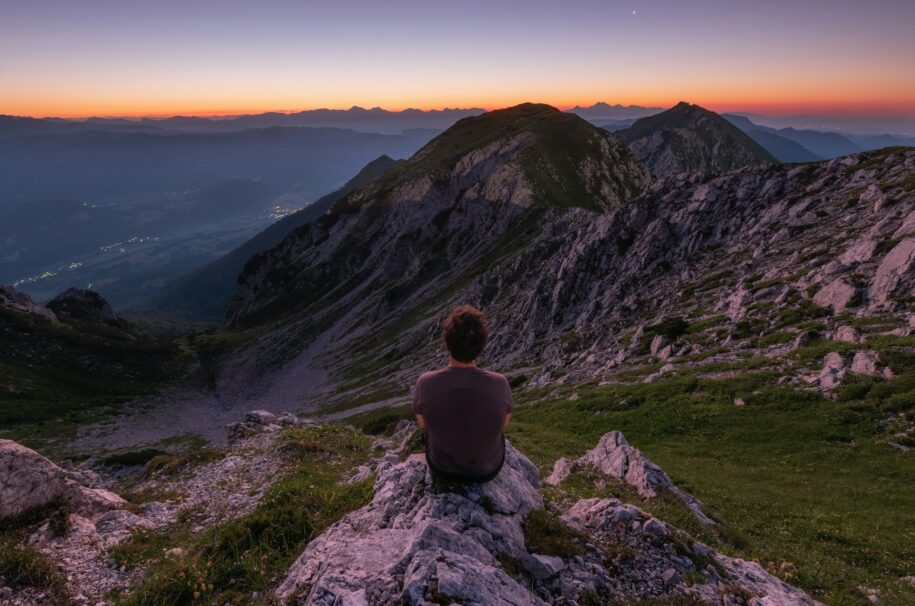
Mountain holidays offer the perfect escape from busy city life. Whether you’re heading to Shimla, Kufri, Manali, or any other hill destination, the combination of fresh air, scenic landscapes, and peaceful surroundings makes every trip memorable.
However, a successful mountain getaway requires more than simply booking a hotel and packing a bag. Changing weather, winding roads, and high-altitude conditions can quickly turn a relaxing holiday into a stressful experience if you’re not prepared.
By avoiding a few common mistakes, you can enjoy a safer, smoother, and more rewarding journey. Here are eight planning mistakes every traveller should avoid before heading to the mountains.
Underestimating the Mountain Weather
The weather in the mountains is often unpredictable. Rain, fog, or cold winds can swiftly replace a bright, sunny morning by the afternoon. Many tourists erroneously assume that the weather will be favourable for the whole of their trip or check the forecast just once.
Observe the weather for a few days before your trip and adjust your packing accordingly. The best option is usually to dress in layers so you can be comfortable in a variety of conditions. Regardless of the season, it’s also a good idea to have comfy shoes and a waterproof jacket.
Packing Without a Plan
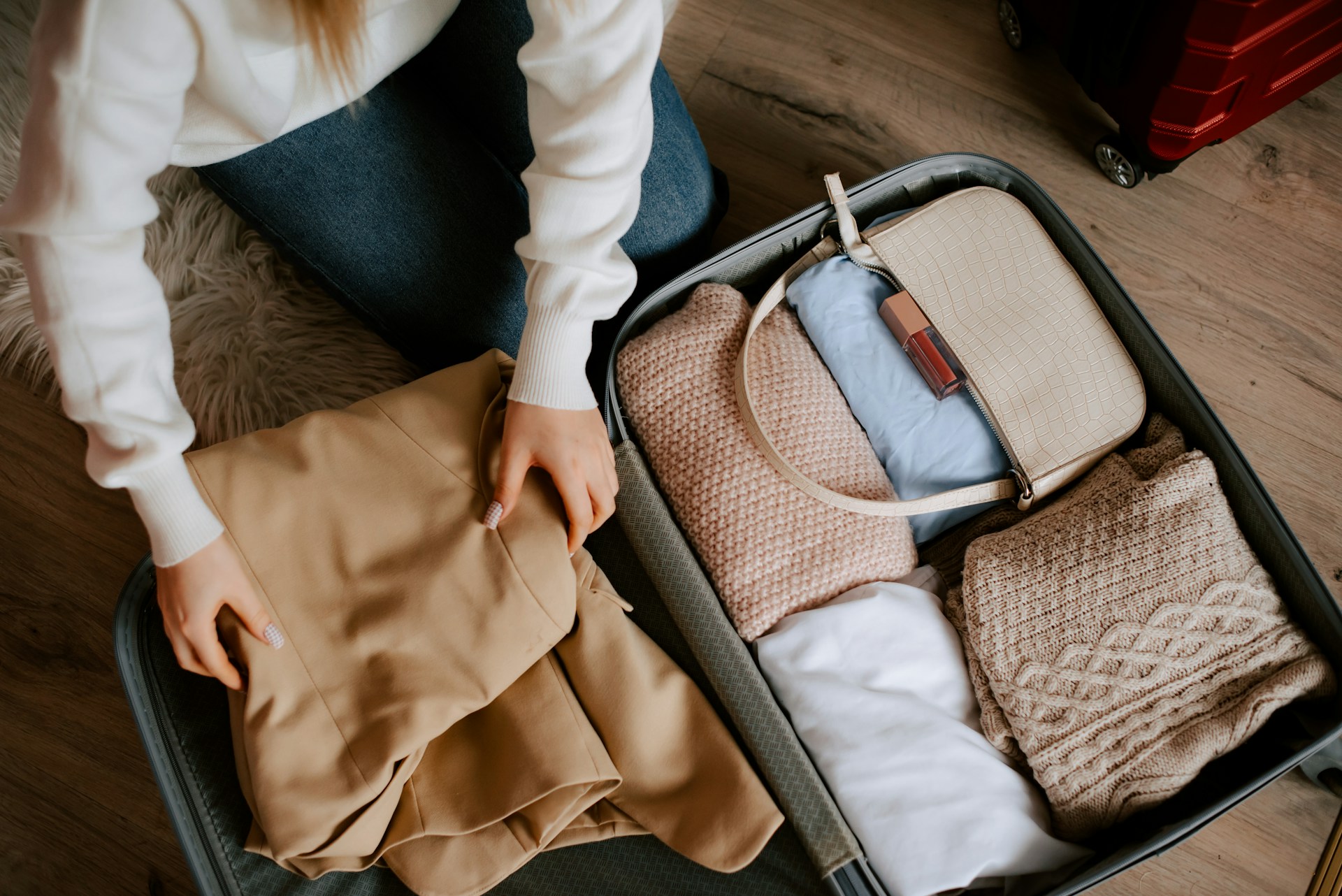
Overpacking is just as inconvenient as forgetting essential items. Heavy luggage becomes difficult to carry on uneven terrain, while leaving behind necessities often means paying higher prices at tourist shops.
Bring comfortable walking shoes, basic medications, sunscreen, sunglasses, and a reusable water bottle in addition to functional, interchangeable clothing. Being lightweight not only facilitates mobility but also provides space for any mementos you might choose to bring back.
Ignoring Travel Time Between Destinations
Many people underestimate how long it takes to travel through the mountains. Although places may appear close on a map, winding roads, steep climbs, traffic, and occasional roadwork can significantly increase travel times.
Instead of filling your itinerary with too many attractions, focus on quality rather than quantity. Allow extra time for breaks and scenic stops. A relaxed schedule helps you enjoy the journey instead of constantly rushing to the next destination.
Choosing Accommodation Based Only on Price
Finding affordable accommodation is important, but the cheapest option isn’t always the best value. Some properties may be far from local attractions, restaurants, or transport links, resulting in longer travel times and additional expenses.
When booking your stay, consider the location, comfort, cleanliness, parking facilities, and guest reviews. Choosing accommodation that offers convenience and a peaceful atmosphere can make your mountain holiday far more enjoyable after a day of sightseeing.
Forgetting to Stay Hydrated
The cool mountain climate often makes travellers feel less thirsty than they normally would. However, walking uphill, sightseeing, and spending time outdoors can quickly lead to dehydration without you realising it.
Even if you don’t feel thirsty, keep a water bottle with you at all times and drink frequently. Maintaining your energy levels while exploring can also be achieved by eating balanced meals instead of depending totally on snacks.
Planning Every Hour of the Trip
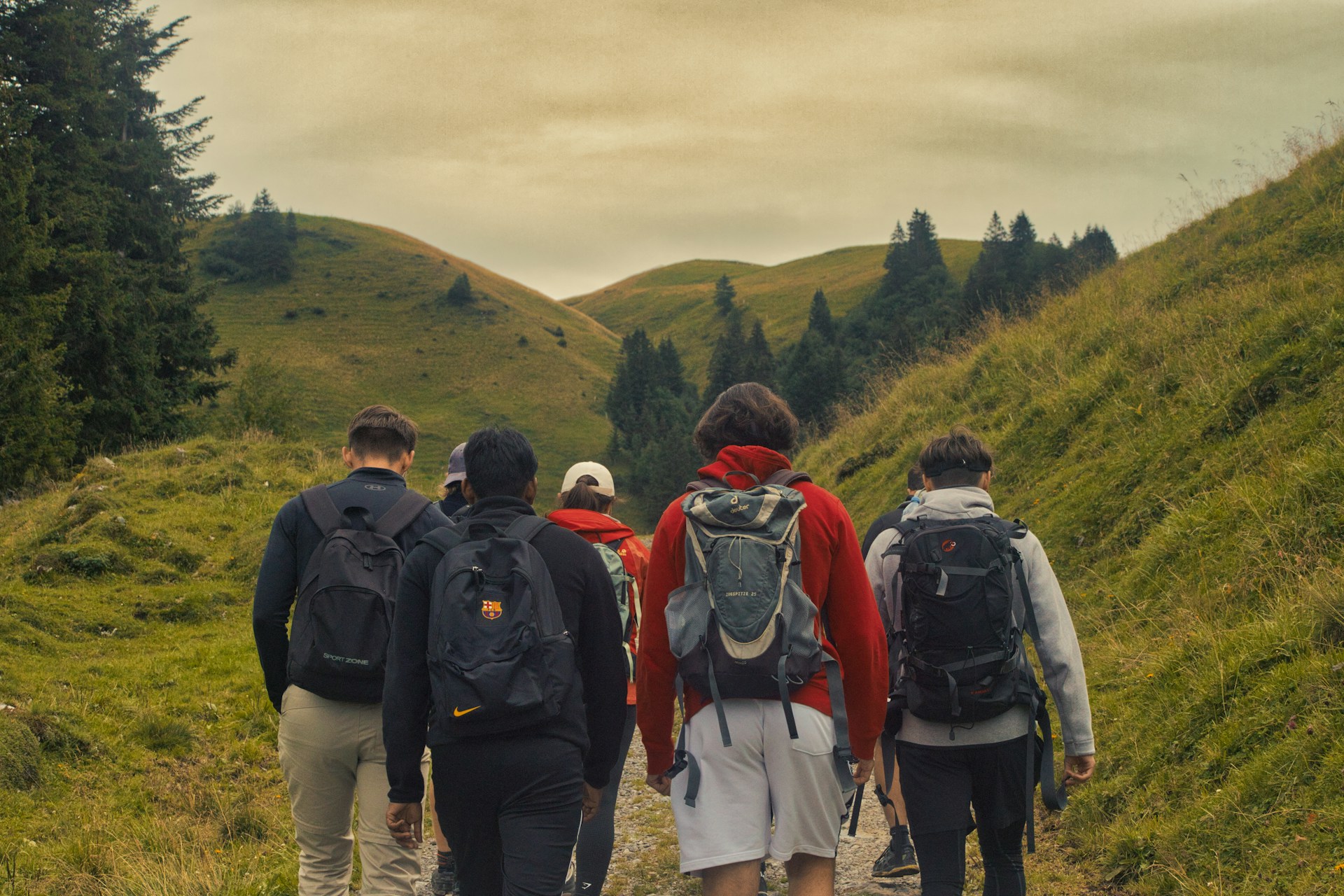
Many tourists design itineraries that are so full that they don’t allow for any flexibility. Even while it’s tempting to see every well-known site, it can get exhausting to constantly rush from one location to another.
Slowing down is what makes a mountain vacation so beautiful. Take leisurely walks, enjoy local cafés, watch the sunrise, or just take in the landscape. Unplanned adventures can sometimes be the most unforgettable.
Wearing the Wrong Footwear
Mountain roads and walking trails are very different from city pavements. Slippery surfaces, uneven paths, and steep slopes require shoes that provide proper grip and support.
Unnecessary slips, painful feet, and discomfort can be avoided with comfortable walking or trekking shoes. You may enjoy sightseeing without worrying about every step if you choose suitable footwear.
Missing the Local Experience
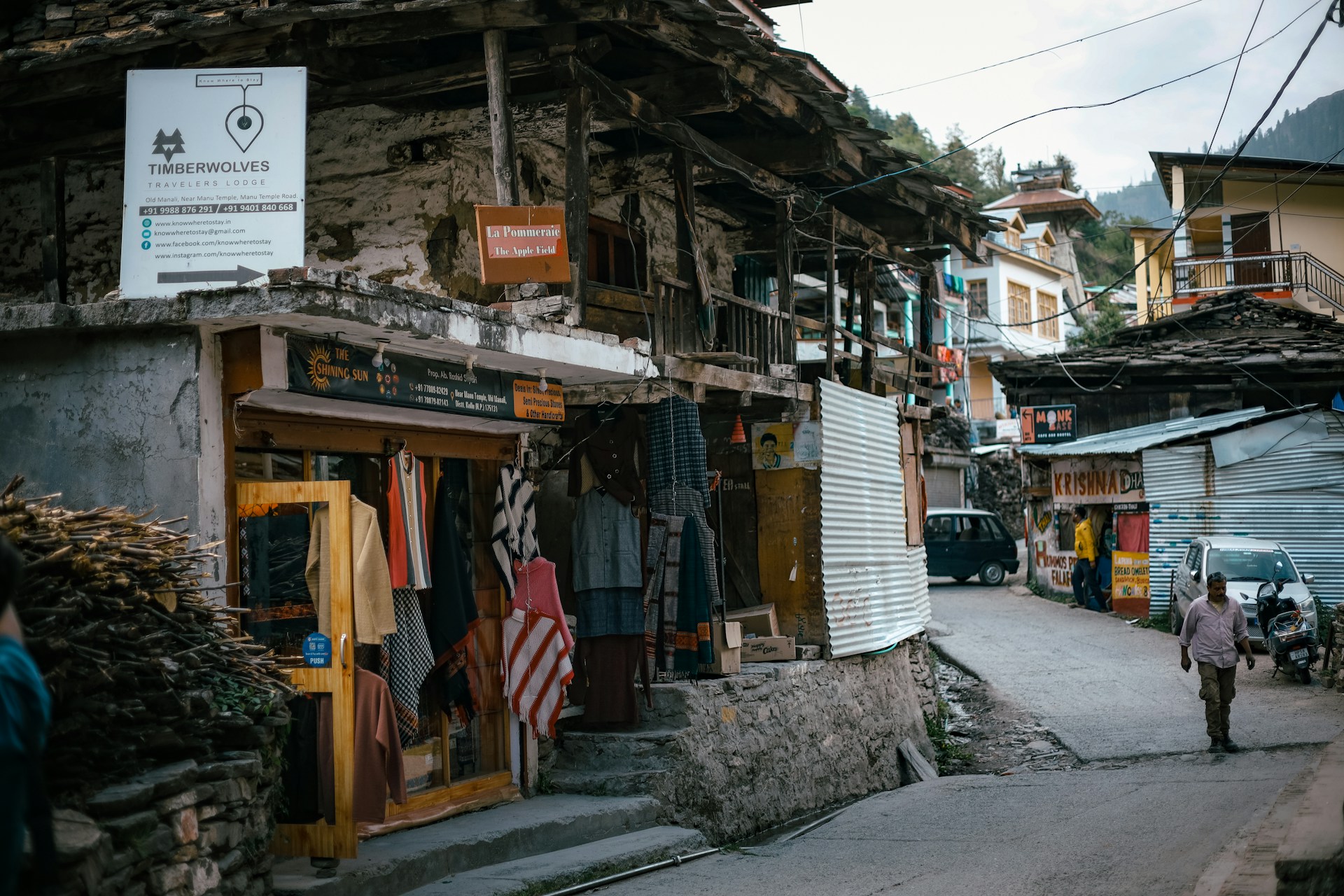
Many tourists spend their vacation crossing off well-known sites from a list, missing the experiences that really set mountain locations apart. The most memorable experiences are frequently made by visiting local markets, sampling regional food, conversing with locals, and finding secret viewpoint spots.
Spend some time getting to know the local way of life rather than racing through your itinerary. These genuine moments frequently turn into the journey’s high point.
Final Thoughts
You should feel recharged rather than anxious after a mountain vacation. You can maximise your time in the hills and steer clear of frequent travel mistakes with careful planning and reasonable expectations. A smoother and more pleasurable journey can be achieved by packing carefully, allowing additional time for transit, drinking plenty of water, and embracing local activities.
Frequently Asked Questions
1. What should I pack for a mountain trip?
Pack comfortable clothing that can be layered, sturdy walking shoes, a waterproof jacket, sunscreen, sunglasses, a reusable water bottle, basic medicines, and a power bank. Packing light while carrying the essentials makes travelling much easier.
2. How many days are ideal for a mountain holiday?
A stay of three to five days is ideal for most mountain destinations. It gives you enough time to relax, explore nearby attractions, and enjoy the peaceful surroundings without feeling rushed.
3. Is it safe to drive in the mountains?
Yes, provided you drive carefully and follow local road conditions. Maintain a safe speed, avoid driving late at night where possible, and check weather updates before setting out, especially during the monsoon and winter seasons.
4. Why is hydration important in the mountains?
The cool climate often hides the signs of dehydration, but your body still loses fluids during walks and outdoor activities. Drinking water regularly helps maintain energy levels and prevents fatigue.
5. When is the best time to visit the mountains?
The best time depends on the experience you’re looking for. Spring and summer offer pleasant weather for sightseeing, while winter is perfect for those who want to enjoy snow-covered landscapes and cosy mountain stays.
Leave a Reply
You must be logged in to post a comment.