
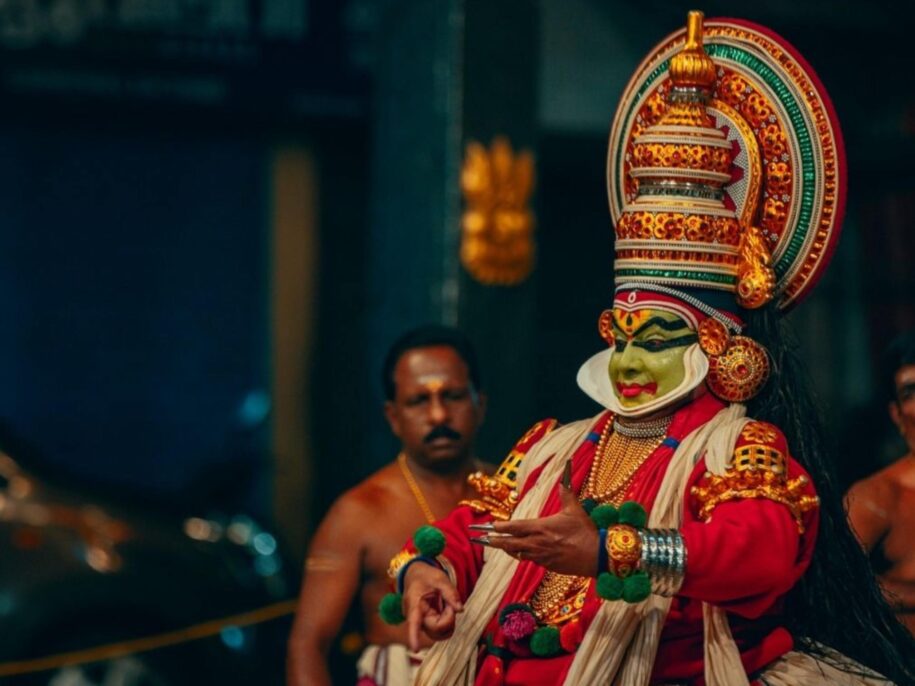
In every community, beliefs, songs, stories, and celebrations are passed down from one generation to the next. We could say that these practices make up a cultural tapestry. Festivals, tales, traditions, and shared memories all come together to make up culture, just like a cloth is made of many threads. Folklore is the telling of stories and lessons from the past. Festivals are times when people get together to enjoy life.
From small towns to big cities, these customs shape how people get to know each other and learn about their roots. They help us remember that culture isn’t something that stays the same over time. Through the lives of regular people, it grows, changes, and goes on.
Festivals: Celebrating Life Together
Festivals are times when people stop their normal lives for a while and fill their towns with color, music, and happiness. They show the times of the year, harvests, historical events, and religious views. During holidays, people decorate their homes, make special foods, and get together with their families to celebrate.
There’s more to these events than just holidays. They are strong reminders of a shared sense of identity and connection. People who don’t live close to home often go back to party with family and friends.
Some common elements that make festivals special include:
- Traditional music and dance that bring energy to the celebration
- Local foods prepared only during festive times
- Decorations that fill streets and homes with color
- Community gatherings that strengthen relationships
Festivals create an atmosphere where happiness spreads easily. People greet each other warmly, exchange gifts, and share laughter that often lasts long after the celebration ends.
Folklore: Stories That Travel Through Time
While festivals celebrate the present moment, folklore connects us with the past. Folklore includes traditional stories, legends, songs, and sayings that have been passed down for many years. These stories often carry lessons about courage, kindness, honesty, and wisdom.
In many places, elders share folklore with children during quiet evenings or family gatherings. Through storytelling, younger generations learn about heroes, magical places, and the history of their communities.
Folklore often includes
- Stories about local heroes and brave figures
- Tales that explain how certain traditions began
- Songs and poems that reflect everyday life
- Legends connected to nature, rivers, mountains, or forests
These stories may change slightly over time, but their meaning remains strong. They continue to guide people and keep cultural memories alive.
How Festivals and Folklore Work Together
Festivals and folklore often support each other in beautiful ways. Many celebrations are built around stories that people have known for generations. A festival may remember a historical event, honor a hero from folklore, or celebrate a legend connected to a place.
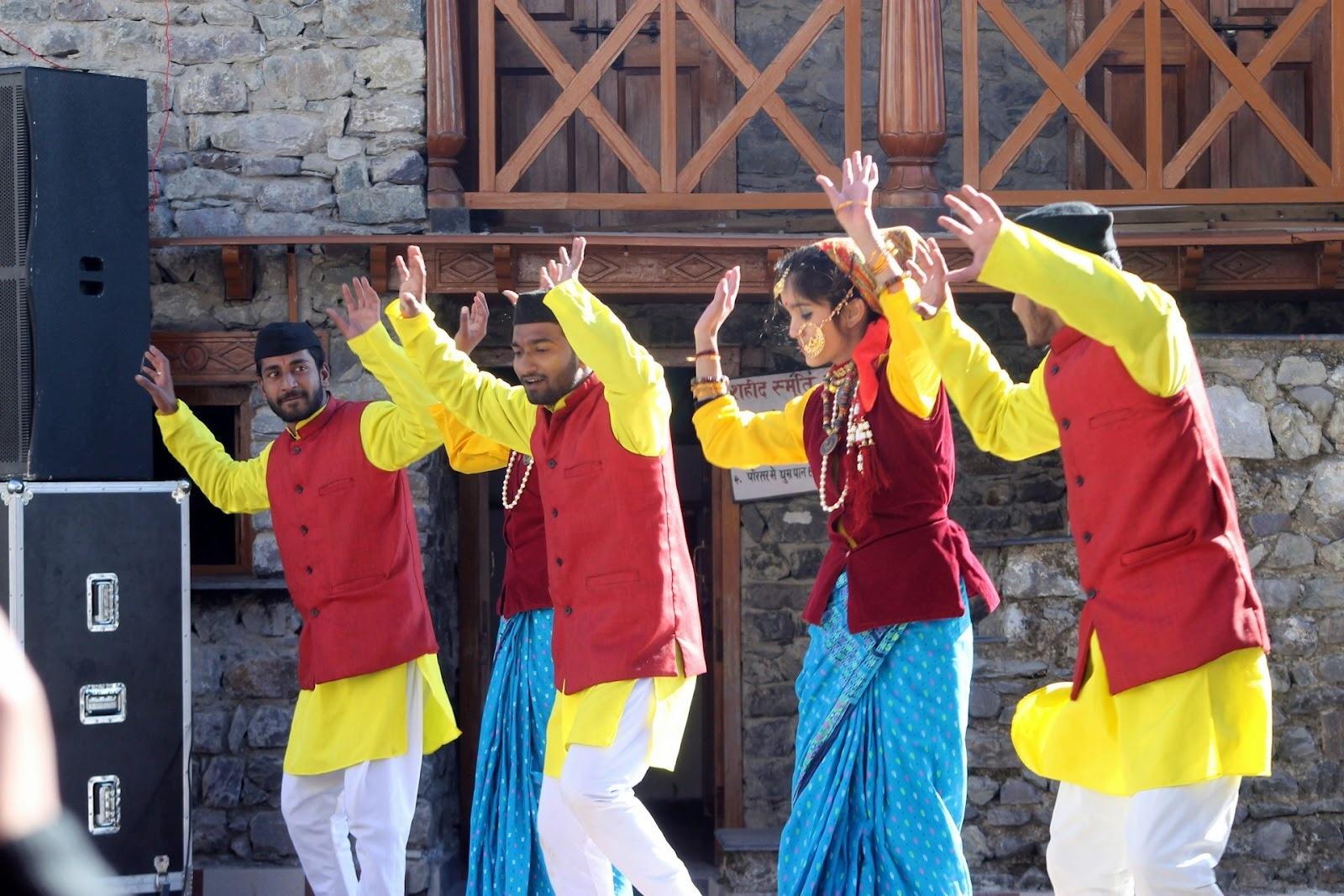
During festivals, people sometimes perform traditional plays, dances, or songs that bring these stories to life. Children watch and listen, slowly learning the meaning behind the traditions.
Through this connection, folklore becomes more than just a story. It becomes a living experience that people can see, hear, and feel.
Cultural Identity and Community Spirit
Festivals and stories are big parts of how people feel about their culture. They help people know where they’re from and what the people in their town believe in. People remember their shared past through these traditions, which also help them stay linked in the present.
In many places, events also give people a chance to work together and cooperate. Putting together decorations, making food, planning events, and greeting guests all require everyone to work together.
During these times, people often experience
- A strong sense of belonging within the community
- Pride in local customs and traditions
- Opportunities for younger generations to learn cultural values
- These moments strengthen the bonds that hold communities together.
The Changing Face of Tradition
Traditions have their roots in the past, but they don’t have to stay that way forever. As groups grow and change, festivals and traditions often do too. Older styles of music, art, and stories are sometimes mixed with new ones.
It is also easy for people to share their culture with others thanks to technology and tourism. People come from all over the world to festivals that used to be small neighborhood events. Sharing these customs makes people more interested in and appreciative of them.
But many places also work hard to keep their folklore living and their traditional celebrations going. They know that these traditions are important parts of their past and who they are.
Why These Traditions Still Matter
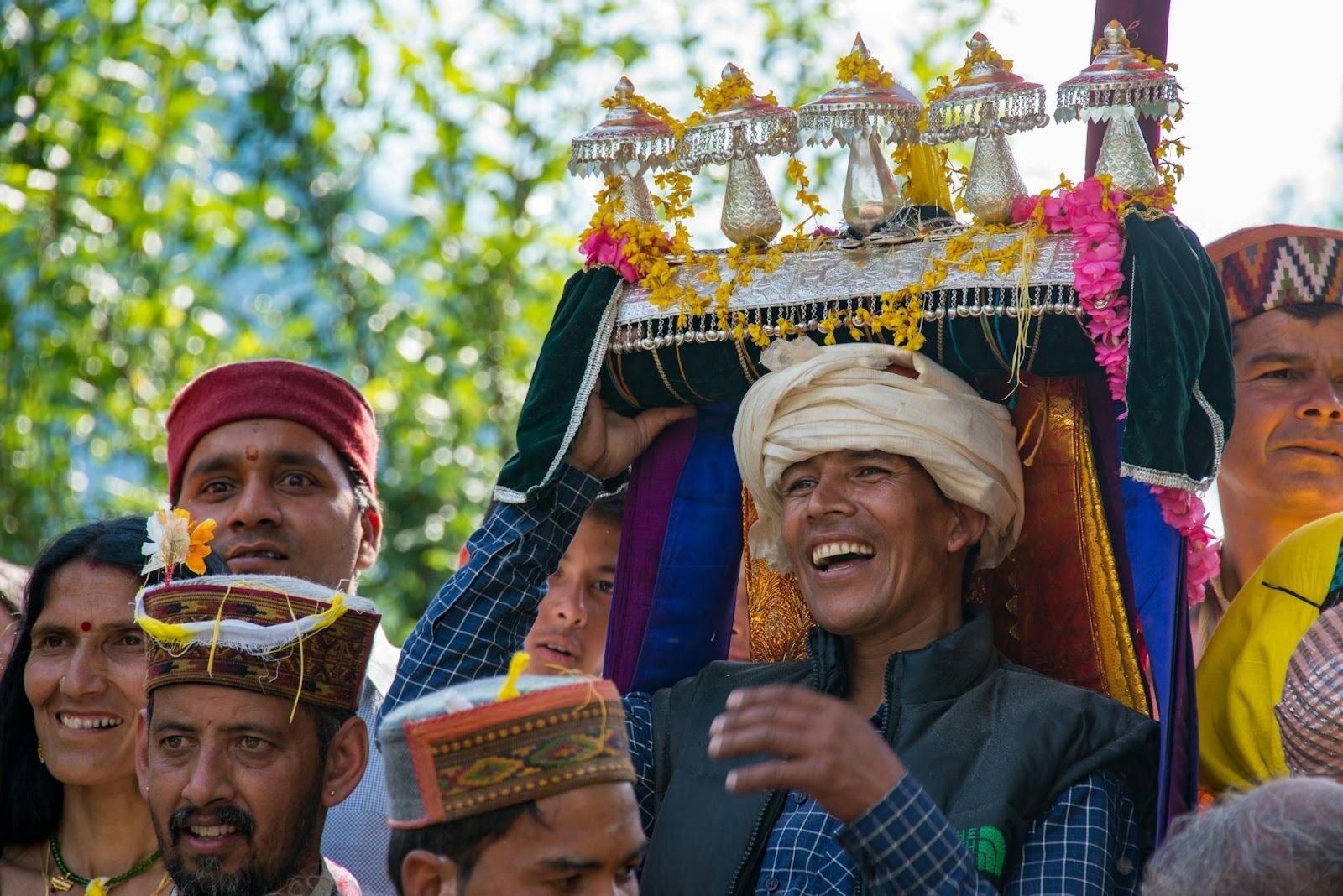
In a fast-moving world, festivals and folklore offer moments of pause and reflection. They remind people that culture is built from shared experiences and collective memory. When people gather to celebrate or listen to old stories, they feel connected not only to each other but also to generations that came before them.
These traditions also bring joy and creativity into daily life. Music, dance, storytelling, and decoration allow people to express themselves while honoring their heritage.
Even young people who grow up in modern environments often find comfort and pride in these cultural practices
Conclusion
The tapestry of holidays and folklore is thick, colorful, and full of deep meaning. Festivals bring people together to celebrate, and folklore keeps the knowledge and stories of the past living. They connect people of different groups through their lives.
It’s important to remember that culture isn’t just in museums and history books. Songs, stories, getting together, and laughing together are where it lives. There will always be strength, color, and life in the cultural tapestry as long as people celebrate
Leave a Reply
You must be logged in to post a comment.